While people tend to focus on physical health, the truth is, there is no health without mental wellness. Mental health is a huge part of our overall well-being, and we need to talk about it as openly and honestly—and view it as equally important—as our physical health. Mental health care IS healthcare.
592,000 adults in Oklahoma have a mental health condition.1
The CCBHC model of care: Integrated mental and physical well-being.
Certified Community Behavioral Health Clinics(CCBHCs) provide whole-person care by integrating physical health with a comprehensive range of mental health and substance use disorder services to vulnerable individuals, including 24/7 crisis care. They are proven to reduce ER visits and psychiatric hospitalizations, leading to better patient outcomes and lower taxpayer costs. This model has led to overarching improved health and well-being for those who need it most and the communities they call home.
GRAND took me in when I was nothing but hope. When I had nothing to my name but the promise that I would give it my all, they gave me the opportunity to become part of the team.
-Sam Garrett, GRAND Employee
How CCBHCs make our communities better.
Reducing impact on hospital ER rooms.
CCBHCs provide 24/7 behavioral health crisis centers. Oklahomans experiencing a behavioral health crisis no longer need to wait behind those experiencing a physical health crisis.
Over a six-year window, GRAND reduced inpatient hospitalizations by 93.1%.
GRAND operates eight 24/7 Crisis Centers including specialty facilities for Substance Use Disorder crisis and Family crisis.
Saving taxpayer dollars.
A CCBHC is a “One-Stop Care” health clinic proven to provide better patient outcomes and reduce taxpayer costs. Effective, efficient use of funds saves money—dollars that can return to community schools, infrastructure improvements, safety and support services, etc.
Over a five-year period, GRAND saved state and federal governments over $62M dollars.
Allowing law enforcement to keep our communities safe.
CCBHCs required crisis-services model allows police to focus on public safety instead of supervising those experiencing mental health crisis.
Oklahoma is one of the first eight states in the nation to employ the CCBHC model.
GRAND has relationships with over 100 first responder agencies including police, sheriff,and EMS.
Making communities whole.
The CCBHC model funding is based on long-term outcomes vs. short-term services. CCBHCs now have “skin in the game” in improving the lives of individuals in need and returning them to function as productive contributors to Oklahoma communities.
Previous “Pay-for-Service” funding allowed providers to be compensated for treating individuals, regardless of outcomes.
CCBHCs are improving lives in Oklahoma.
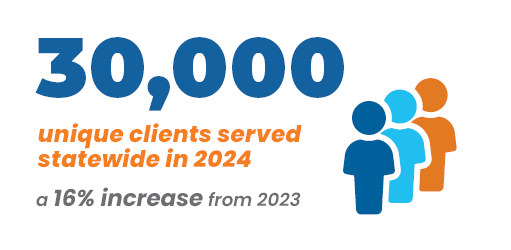
According to Mental Health America (MHA), in 2020 Oklahoma ranked 41st in the nation regarding higher prevalence of mental illness and lower rates of access to care. Just two years later, Oklahoma’s ranking improved to 38th. Not surprisingly, the number of clients GRAND served rose 16% over the same two-year period. As one of the first eight states in the nation to employ the CCBHC model, Oklahoma is seeing the positive impact of this whole person/whole community care.
As an attorney practicing in tribal courts all over central and NE Oklahoma, GRAND Mental Health is a VITAL resource and lifeline for my clients, and for the Tribes.
-Jeremy Otis, Attorney
A GRAND model for the nation.
GRAND Mental Health has been serving Oklahomans for more than 40 years with a focus on providing immediate access to quality care in the least restrictive environment. As a pioneering CCBHC agency, GRAND Mental Health is seen as both a premium provider and a model for the nation. As other states see the benefit of CCBHCs, they look to us for guidance.
GRAND continues to provide unparalleled access to care and innovative, first-of-a-kind services.
Expanded 24/7 Crisis Care
Five Adult Urgent Recovery Centers, a Family Crisis Center, and a new Crisis Assessment Center serve to stabilize individuals experiencing a mental health crisis, keeping them out of emergency rooms, jails, and other inappropriate or overburdened systems. This “beyond-the-requirement” approach provides more access to those who need it, when they need it.
Brief Stay Therapeutic Homes
Short-term family treatment in the home or a homelike setting designed to improve family interactions and keep families together.
135 families served across 5 counties.
75% improvement in hope from parents post BSTH discharge.
77% improvement in hope for children 90 days post BSTH discharge.
68% improvement in hope for parents 6 months post BSTH discharge.
0 out-of-home placement changes (children removed from homes and placed in higher levels of care).
Family Treatment Center
Comprehensive family services all under one roof. 24/7 Family Urgent Recovery Center, short-term Family Crisis Center, and on-site Brief Stay Home.
In 2024, we admitted 200 children experiencing mental health crisis to our Family Treatments Center and were able to stabilize 80% of those without the need for higher levels of care.
Extensive Street Outreach
Designed to meet those in need of help right where they are—often on the streets—and move them into treatment.
35,000 contacts were made with individuals experiencing homelessness.
245 people living unhoused were assisted by GRAND to find permanent long-term housing.
937 people were enrolled in services through our outreach team.
Customized Virtual Support Services
Providing access to a personalized care team anytime/anywhere. This has proven especially effective for those with transportation, health, daycare, and/or employment complications that make coming to a physical clinic impossible.
Individualized Placement Services
Helping people find meaningful work in their communities while remaining engaged in services.
GRAND successfully found employment for 60.53% percent of the clients in the program.
Making a GRAND impact in Tulsa.
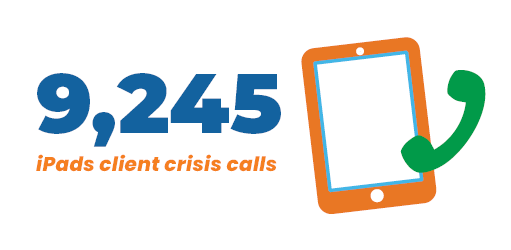
9,245
Crisis calls from Tulsa County residents immediately connected to a GRAND crisis behavioral health professional.
5,650
Individuals seen through our Outpatient Services Clinic.
9,000
Individuals accessed care throughout our 24/7 Tulsa Urgent Recovery Center.
24,118
Students in Tulsa County classrooms given access to in-school, behavioral healthcare through GRAND embedded clinicians and behavioral health coaches.
3,604
Unique individuals began their recovery journey through our GRAND Addiction Recovery Center for residential treatment.
With a mental health treatment gap of a staggering 81.48% in Tulsa County, the need is urgent and real.² These 2024 impact numbers show how GRAND is actively closing that gap, delivering critical services and support to those who need it most.
Learn more about GRAND.
GRAND Mental Health remains committed to efficiency, transparency, and the clients we serve. Learn more about our evidenced-based services and outcomes.
I commend GRAND for their transparency ... and for their dedication to mental health and to serving our community. GRAND has been a pillar of our community, and I'm grateful for their continued presence and leadership.
-Neda Allam, MS, LPC
Continue the conversation.
Contact your legislators to express your support for CCBHCs and the importance of mental health funding in Oklahoma. Find your legislator here.
Contact us to have a GRAND Mental Health leader join your community events, meetings, or initiatives to support mental health advocacy.